How Your Appearance Shapes First Impressions in Job Interviews — The Science, The Data, and a Complete Preparation Guide
A 2022 study published in the Journal of Applied Psychology found that interviewers form a preliminary opinion about a candidate within the first 7 to 10 seconds of meeting them. Before you've answered a single question, your appearance, posture, and grooming have already set the tone for the entire conversation.
This isn't about being conventionally attractive. Research consistently shows that what matters is looking prepared, put-together, and intentional — signals that hiring managers unconsciously associate with competence, reliability, and professionalism.
This article examines the psychology behind visual first impressions, breaks down every component that contributes to them, and gives you a complete, research-backed preparation protocol you can follow before any important interview.
The Psychology Behind Visual Judgments: What the Research Shows
The Halo Effect
Psychologists call it the halo effect: when one positive trait (like a polished appearance) leads observers to unconsciously assume other positive traits (like intelligence, competence, or dependability). First identified by Edward Thorndike in 1920, this bias has been replicated in hundreds of studies across cultures and contexts.
In a hiring context, the halo effect means that a candidate who looks well-prepared is assumed to be well-prepared in other ways — organized, detail-oriented, and serious about the opportunity. Conversely, a disheveled appearance triggers the "horns effect" — the unconscious assumption of negative traits.
The Speed of First Impressions
A landmark Princeton study by Willis and Todorov demonstrated that people make trait judgments from faces in as little as 100 milliseconds — one-tenth of a second. More critically, these snap judgments rarely change even when given significantly more time and information.
Subsequent research has quantified this in hiring contexts:
- 7-10 seconds: Time to form an initial impression during in-person interviews (Journal of Applied Psychology, 2022)
- 1/10th of a second: Time to form trait judgments from visual appearance alone (Psychological Science, 2006)
- 6.25 seconds: Average time recruiters spend on initial resume review (Ladders Eye-Tracking Study, 2018)
- 3-5 seconds: Time to form an impression from a LinkedIn profile photo (Photofeeler data, 2023)
The implication is stark: the visual impression you create matters enormously in hiring outcomes — not because it should, but because human cognition is wired to make rapid assessments that are difficult to override.
What Interviewers Unconsciously Assess
Research from the University of British Columbia identified the specific traits that interviewers infer from appearance:
| Visual Cue | Inferred Trait | Strength of Association |
|---|---|---|
| Well-fitted clothing | Competence, attention to detail | Strong |
| Clean grooming | Self-discipline, reliability | Strong |
| Eye contact during greeting | Confidence, honesty | Strong |
| Upright posture | Leadership potential, energy | Moderate |
| Appropriate dress level | Cultural awareness, judgment | Moderate |
| Genuine smile | Warmth, approachability | Moderate |
| Firm handshake | Assertiveness, engagement | Moderate |
| Accessories/watch | Status, professionalism | Weak |
Notice that the strongest associations are with traits you can control entirely: fit, grooming, and eye contact. None of them require expensive clothing or natural attractiveness.
Component 1: Grooming and Skincare — The Foundation
Clear, healthy-looking skin signals self-care and attention to detail. Research from the University of St Andrews found that skin health is the single strongest visual predictor of perceived health and attractiveness — more influential than facial symmetry, weight, or age.
You don't need an elaborate or expensive routine. Dermatologists consistently recommend a simple, effective approach:
The Minimum Effective Skincare Routine
Daily (2 minutes morning, 2 minutes evening):
- Cleanser — removes oil, dirt, and dead skin cells (€5-€15)
- Moisturizer — prevents dryness and creates a healthy appearance (€5-€15)
- SPF 30+ sunscreen (morning only) — prevents sun damage, the #1 cause of premature aging (€5-€15)
Total cost: €15-€45. Total daily time: 4 minutes.
This basic routine, started at least two weeks before an important interview, produces visible improvements in skin clarity and hydration.
Pre-Interview Grooming Protocol
For major career milestones — interview rounds, conferences, client presentations, performance reviews — many professionals invest in targeted preparation:
- 3-5 days before: Fresh haircut or trim. Not same-day (too fresh looks obvious) and not two weeks prior (overgrown).
- 2 days before: Ensure facial grooming is clean and intentional — whether that's a clean shave, well-trimmed beard, or shaped eyebrows.
- Night before: Full skincare routine plus adequate sleep (7+ hours). Sleep deprivation visibly affects skin quality, under-eye darkness, and facial expression.
- Morning of: Full routine, light moisturizer, clean nails (trimmed and clean — this is noticed more than people think).
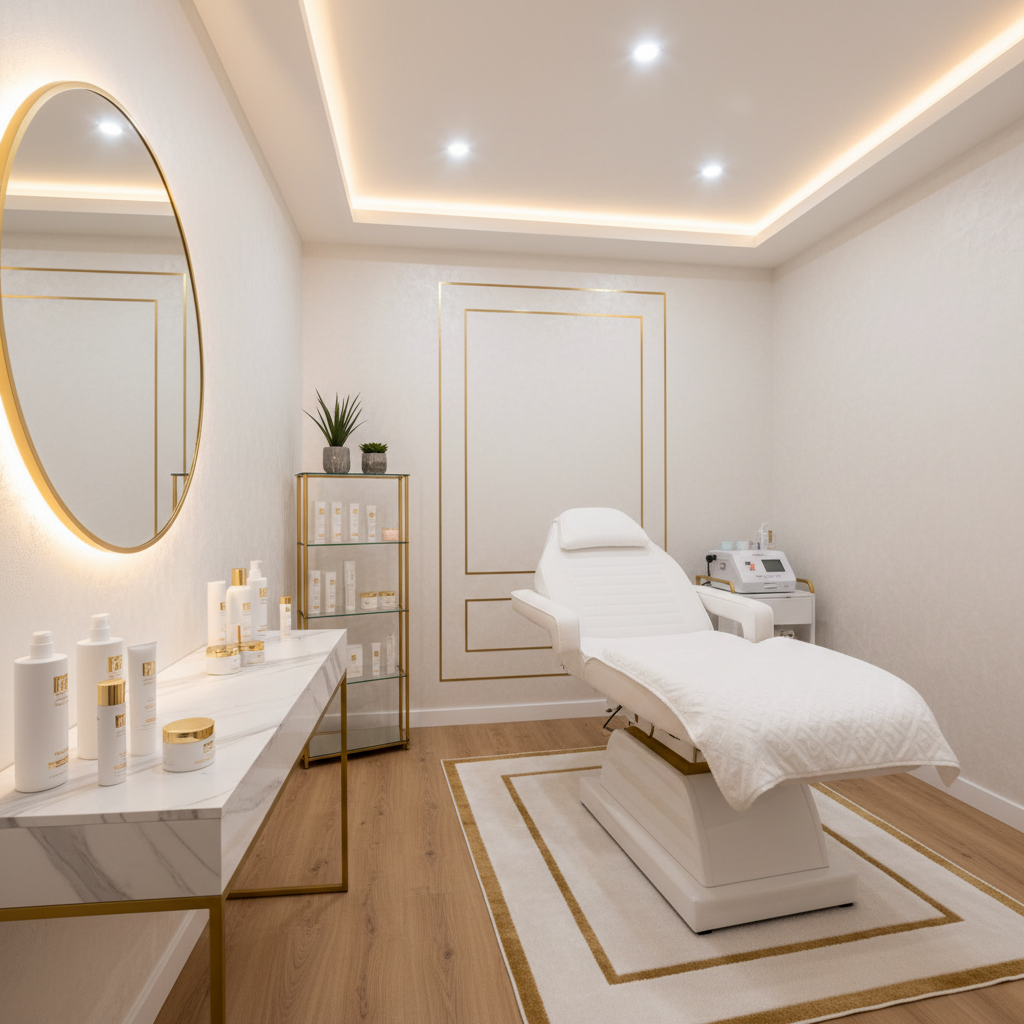
For professionals who want to go beyond basics, specialized dermatological treatments can address specific concerns like uneven skin tone, acne scarring, or visible signs of stress and fatigue. Clinics like just you – beauty by Gabriello in Bratislava, for example, offer customized facial treatments that many professionals schedule before important career milestones — from final interview rounds to conference speaking engagements. The investment in professional skincare pays dividends not just visually but in confidence: knowing your skin looks its best removes one source of self-consciousness during high-pressure situations.
Fragrance: The Invisible First Impression
Often overlooked but surprisingly impactful. Research from the Monell Chemical Senses Center found that pleasant scents positively influence social perception and mood in interpersonal encounters.
Rules for interview fragrance:
- Less is more. If someone can smell you from more than arm's length, it's too much.
- Clean and professional over sweet or heavy. Subtle scents with fresh or woody notes work universally.
- Apply to pulse points (wrists, behind ears) 30 minutes before the interview so it settles.
- When in doubt, skip it. Unscented is always safe.
Component 2: Wardrobe and Fit — The Visual Handshake
Research from Northwestern University's Kellogg School coined the term "enclothed cognition" — the discovery that what you wear affects not just how others perceive you, but how you actually perform. Participants who wore a doctor's coat performed better on attention-related tasks. Those who wore the same coat but were told it was a painter's smock showed no improvement.
The implication: dressing well doesn't just impress others; it makes you more competent.
The Universal Rules
-
Fit matters more than brand. A well-tailored €50 shirt outperforms a designer piece that doesn't fit. Clothes that are too tight communicate discomfort; clothes that are too loose communicate carelessness. Invest in a tailor (€10-€25 per item for basic alterations) rather than expensive brands.
-
Match the culture, then dress one level up. Research the company's dress code via LinkedIn employee photos, company blog posts, and Glassdoor reviews. Then elevate slightly — if the office is casual, go smart casual. If smart casual, go business casual.
-
Neutral colors project competence. Multiple studies confirm that navy, charcoal, black, and white consistently score highest in professional perception studies. Save bold colors and patterns for creative industries where they signal creative confidence.
-
Details compound. Clean shoes (polished if leather), pressed clothing (no visible wrinkles), matching belt and shoes, and clean, intact accessories all contribute to an overall impression of attention to detail.
-
Avoid distraction. Anything that draws attention to itself — loud patterns, excessive jewelry, unusual accessories — shifts the interviewer's attention from your words to your appearance. The best interview outfit is one that makes you look professional without being memorable for what you wore.
Industry-Specific Wardrobe Guidelines
| Industry | Standard | Safe Interview Choice | What Signals Effort |
|---|---|---|---|
| Finance & Law | Conservative formal | Tailored dark suit, minimal accessories | Quality fabric, perfect fit |
| Corporate/Enterprise | Business professional | Suit or blazer with pressed trousers | Polished shoes, quality watch |
| Tech (established) | Smart casual | Chinos + button-down or quality polo | Clean sneakers, good grooming |
| Startup/Tech (early) | Casual | Dark jeans + fitted casual shirt | Clean, intentional, not sloppy |
| Creative/Design | Personal style welcome | Curated outfit showing personal taste | Creativity that still looks professional |
| Healthcare/Education | Clean professional | Neutral colors, conservative cut | Approachable, non-threatening |
| Government/Public sector | Business professional | Conservative suit or equivalent | Understated competence |
The universal rule across all industries: look like you belong, but like you also put in effort.
Component 3: Body Language — The Nonverbal Interview
Amy Cuddy's research at Harvard (and subsequent replications with methodological refinements) demonstrated that expansive postures increase feelings of confidence, while contracted postures decrease them. While the direct hormonal effects are debated, the behavioral effects are well-established: how you hold your body affects how you feel, which affects how you communicate.
Pre-Interview Power Routine (10 Minutes)
Perform this sequence in private before the interview — in your car, a restroom, or an empty hallway:
- 2 minutes: Stand in an expansive posture (hands on hips, feet shoulder-width, chin slightly up). Research shows this increases feelings of confidence and reduces cortisol.
- 2 minutes: Slow, deep breathing (4 counts in, 7 counts hold, 8 counts out). This activates the parasympathetic nervous system and reduces physical anxiety symptoms.
- 3 minutes: Visualize the interview going well — walking in confidently, giving articulate answers, connecting with the interviewer. Mental rehearsal is used by elite athletes and performers for exactly this purpose.
- 3 minutes: Review your key talking points, but don't over-rehearse. You want to sound natural, not scripted.
During the Interview
The first 30 seconds matter most:
- Enter with purpose. Walk in at a natural pace — not rushing (anxiety signal) or shuffling (low energy signal).
- Make eye contact before speaking. Look the interviewer in the eye, smile naturally, then greet them.
- Handshake: Firm but not crushing. Match the interviewer's grip pressure. Dry your hands beforehand if they tend to sweat.
- Sit upright but not rigid. Lean slightly forward (engagement signal). Keep your shoulders open (confidence signal). Don't cross your arms (defensive signal).
Throughout the conversation:
- Eye contact: Maintain during 60-70% of the conversation. Too much feels aggressive; too little feels evasive. Look at the interviewer when they're speaking and when you're making key points.
- Mirroring: Subtly matching the interviewer's posture and energy level builds unconscious rapport. If they lean forward, lean forward. If they speak at a measured pace, don't rush.
- Gestures: Natural hand movements while speaking enhance perceived engagement and conviction. Keeping hands completely still looks rehearsed or tense.
- Genuine smiling: A real smile (one that reaches the eyes — called a "Duchenne smile") activates mirror neurons in the interviewer, creating positive emotional contagion.
Component 4: Digital Appearance — Your First Impression Before the Interview
In today's job market, your "first impression" increasingly happens before the interview — on LinkedIn, your portfolio site, or the resume you submitted.
The Digital Impression Audit
| Digital Touchpoint | What Employers Notice | Quick Fix | Impact Level |
|---|---|---|---|
| LinkedIn photo | Professional, approachable, current | Professional headshot (even smartphone with good lighting works) | Critical |
| Resume layout | Clean, scannable, ATS-compatible | Use a professional resume builder | Critical |
| Email address | Professional vs. casual | Use firstname.lastname format | High |
| LinkedIn headline | Specific, value-oriented | Replace generic title with value proposition | High |
| Google results | Professionalism, consistency | Google yourself and address any issues | Moderate |
| Social media | Judgment, maturity | Audit public posts or set profiles to private | Moderate |
| Portfolio/website | Design quality, organization | Keep it simple, current, and fast-loading | Varies by role |
Your Resume as Visual First Impression
Your CV's visual design creates the same kind of halo effect as a polished in-person appearance. Research from TheLadders found that resumes with clean, professional formatting received 60% more time from recruiters than cluttered or poorly formatted alternatives — even when the content was identical.
Tools like fullCV.online help ensure your documents make the right first impression with ATS-optimized formatting, clean typography, and professional design that signals the same competence and attention to detail as a well-chosen interview outfit.
Video Interview Appearance
With remote and hybrid interviews now standard, your video setup is part of your visual presentation:
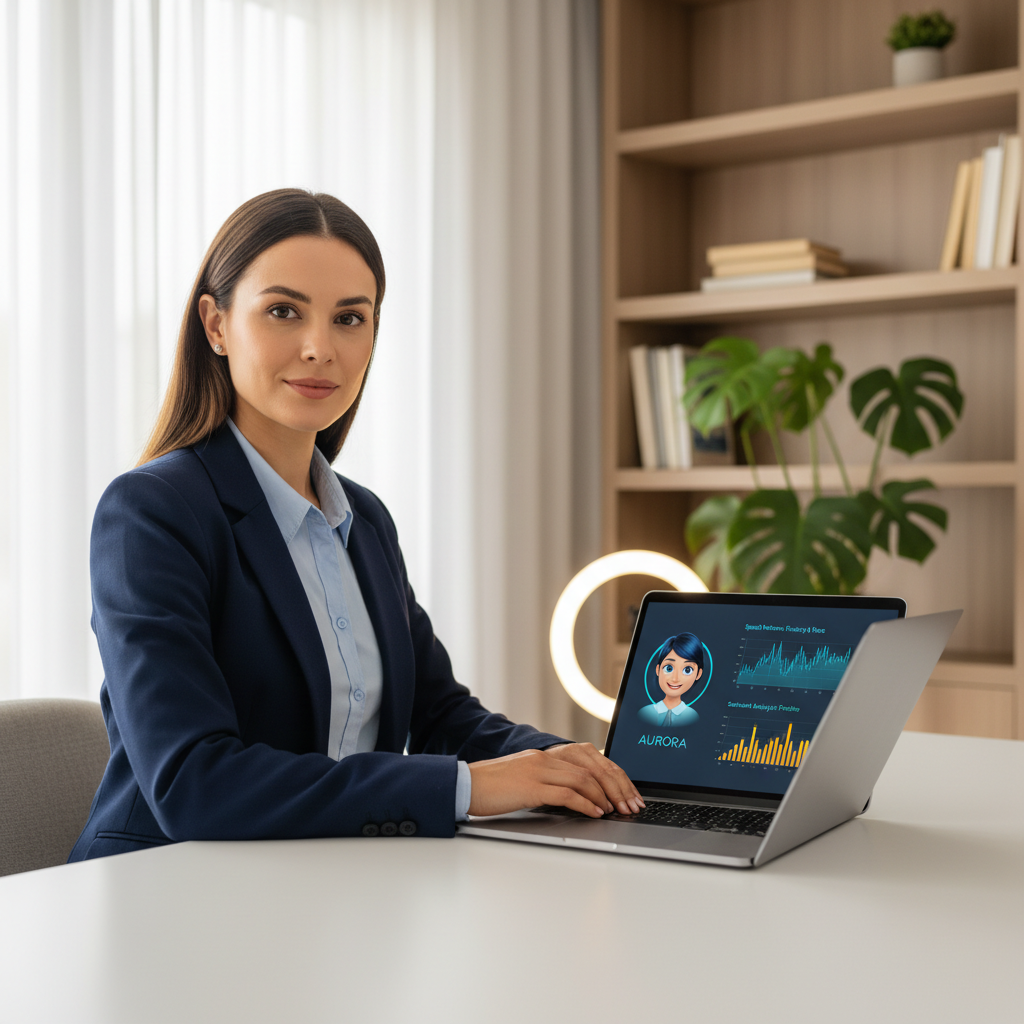
- Lighting: Face a window or use a ring light. Overhead lighting creates unflattering shadows. Side lighting creates asymmetry.
- Background: Clean, professional, non-distracting. A bookshelf, plant, or plain wall works. Avoid virtual backgrounds (they look artificial and clip hair edges).
- Camera angle: Eye level. Looking down at a laptop camera makes you appear disengaged; looking up from below is unflattering.
- Audio: Use earbuds or a quality microphone. Laptop speakers create echo and reduce voice quality.
- Wardrobe: Dress fully professional — even below the waist. You never know when you might need to stand up.
The Complete 48-Hour Pre-Interview Preparation Protocol
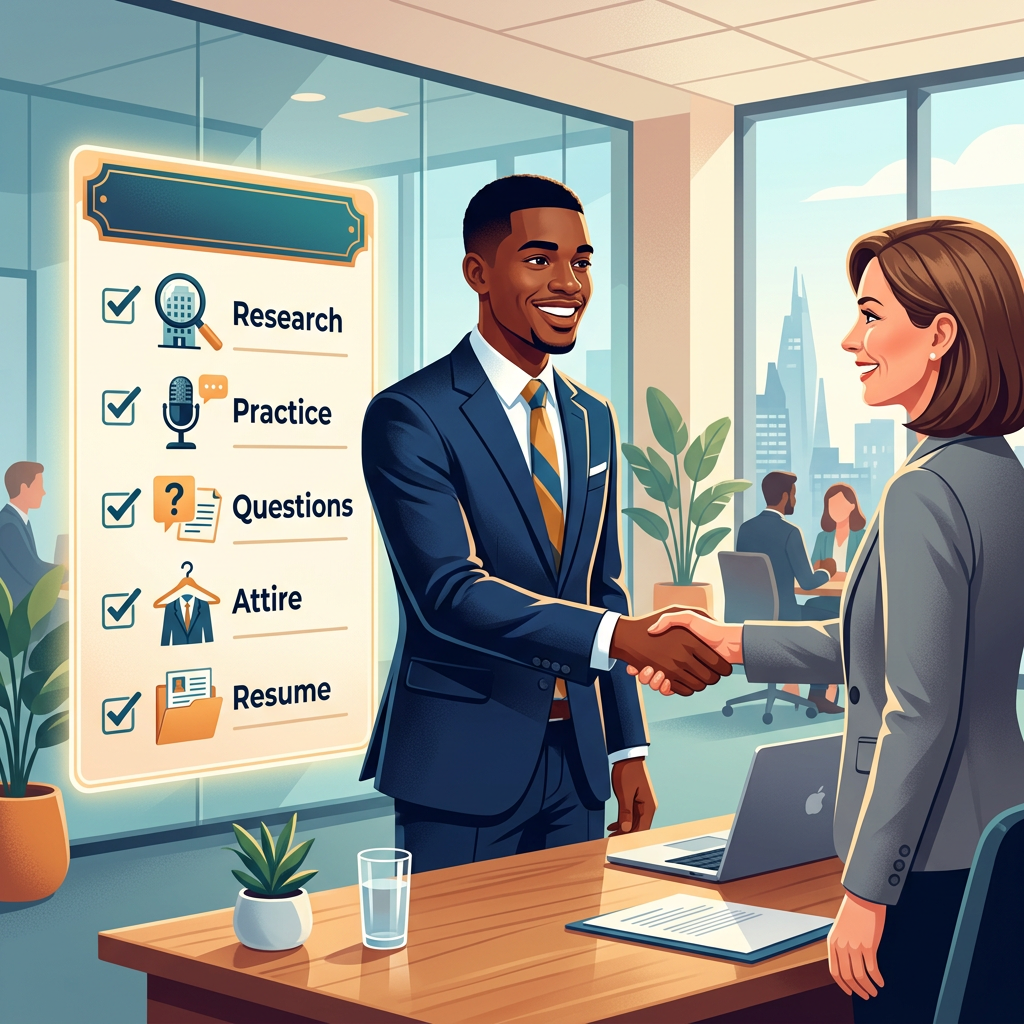
Here's a research-backed, step-by-step preparation checklist organized by timeline:
48 Hours Before
- Research the company's dress code (LinkedIn employee photos, company culture pages)
- Select and try on your complete outfit, including shoes and accessories
- Check all clothing for stains, missing buttons, loose threads, or wrinkles
- Confirm interview logistics: address, parking, building entry, interviewer name(s)
- Update and review your resume on fullCV.online — print a fresh copy on quality paper
24 Hours Before
- Get 7-8 hours of sleep (visible impact on skin, eye clarity, and energy)
- Iron or steam interview clothes and hang them ready
- Clean and polish shoes
- Complete full skincare routine
- Prepare your interview bag: resume copies, notebook, pen, water bottle, breath mints
- Review LinkedIn and online profiles — ensure everything is current and consistent
Morning Of
- Full grooming routine (shower, skincare, hair styling)
- Get dressed early to identify any last-minute issues
- Light, protein-rich breakfast (steady energy without heaviness)
- Review key talking points (but don't over-rehearse)
- Arrive 15-20 minutes early (use extra time for the power routine)
- Silence phone completely
- 10-minute power routine in the car or restroom before walking in
Post-Interview (Same Day)
- Send a personalized thank-you email within 4-6 hours
- Note what went well and what you'd improve for next time
- Update your interview tracker with details while memory is fresh
The Compound Effect of Preparation
No single element on this list will make or break your interview. But the compound effect of attention to every element creates an overall impression that's greater than the sum of its parts.
Consider two equally qualified candidates:
- Candidate A arrives on time in wrinkled clothes, with an outdated resume, makes intermittent eye contact, and sits with crossed arms.
- Candidate B arrives 15 minutes early in well-fitted, pressed clothing, hands over a cleanly formatted resume, makes confident eye contact, and sits with open, engaged posture.
Both candidates have the same skills and experience. But Candidate B has triggered the halo effect before the first question is asked. Every answer they give will be heard through a lens of "this person is competent and prepared" — while Candidate A's identical answers are heard through a lens of "this person seems disorganized."
Your skills and experience earn you the job. But your appearance earns you the chance to demonstrate those skills and experience. In a competitive market where multiple qualified candidates are vying for the same position, the margins are thin — and first impressions tip the scale.
Invest in your presentation the same way you invest in your skills. Both compound over time, and together they form an impression that no amount of technical ability alone can create.
This article is part of our career insights series at fullCV.online, helping professionals present their best selves at every stage of the job search. Build your ATS-optimized resume and make every first impression count.